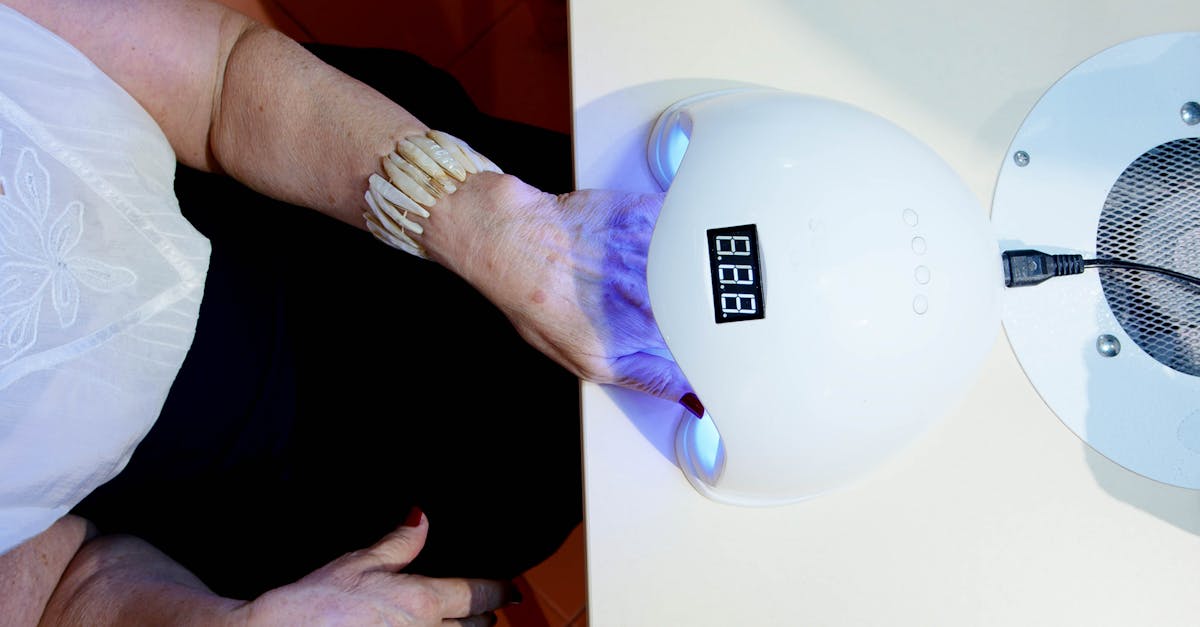
What to Expect During Your Appointment at Crows Nest
Table Of Contents
Understanding Your Treatment Plan
During your visit, the medical team will explain your treatment plan in detail, focusing on the specific steps tailored to your condition. They will discuss the goals of the treatment, the expected duration, and any necessary lifestyle adjustments to enhance your recovery. Understanding this plan is crucial for ensuring that you are fully engaged in the process and can make informed decisions.
You may receive written materials outlining the treatment protocol for better clarity. These resources are designed to help reinforce what was discussed during the appointment and can serve as a reference as you navigate your care. Your understanding of the treatment plan will empower you to ask questions and actively participate in your healing journey.
Discussion on Next Steps
After your initial consultation, the next steps in your treatment plan will be clearly outlined. This includes specific recommendations tailored to your needs. Your healthcare provider will discuss various options available based on your unique situation. They aim to ensure that you feel well-informed and comfortable with the decisions being made.
You may receive additional resources that encapsulate the discussed treatment options. This material can offer further clarity and assist you in weighing your choices. It is vital to take the time to review this information. An informed decision contributes to a smoother treatment experience and helps establish realistic expectations moving forward.
Addressing Any Concerns
Your appointment is an opportunity to ask questions and express any worries you may have regarding your treatment. The professionals at Crows Nest understand that healthcare can be daunting. They encourage you to share your thoughts on the proposed treatment plan. This dialogue can lead to a clearer understanding of the process and help alleviate any apprehensions.
Feeling comfortable about your health journey is key to a successful outcome. If anything is unclear or if you have specific concerns, it’s important to voice them during your visit. The staff are there to support you and provide the information you need. Open communication paves the way for a more personalised care experience, ensuring that every aspect of your treatment is addressed thoroughly.
How to Voice Your Questions
Clear communication is vital during your appointment. If you have any concerns or uncertainties about your treatment plan, don’t hesitate to ask. Prepare a list of questions beforehand if that helps you articulate your thoughts. This preparation can ensure you cover all necessary topics and reduce any anxiety about forgetting important queries.
When discussing your concerns, be direct and honest. Describing your feelings or apprehensions can provide the healthcare professional with valuable context. This openness fosters a supportive environment where both you and your provider can work together effectively. Listening carefully to their responses is equally crucial, as this will help you obtain a clearer understanding of your treatment journey.
Follow-Up Appointments
After your initial appointment, follow-up appointments are pivotal in monitoring your progress. During these visits, practitioners will assess the effectiveness of the treatment plan and make necessary adjustments. Consistency in attending these appointments can significantly enhance your recovery journey.
Patients may be required to return after a specified period to evaluate their health and discuss any changes experienced since the last visit. This ongoing dialogue helps ensure that treatments remain aligned with your needs, fostering a collaborative relationship between you and your healthcare provider.
Importance of Continuity of Care
Continuity of care is fundamental in ensuring that your treatment progresses smoothly over time. Regular follow-up appointments provide healthcare providers with critical insights into your response to treatment, allowing for timely adjustments if necessary. This ongoing relationship with your healthcare team helps build trust and encourages open communication about any issues you might encounter.
Patients who maintain consistent follow-up sessions often experience better health outcomes. The seamless flow of information between healthcare providers contributes to comprehensive management of your condition. When your care is coordinated effectively, it reduces the chances of miscommunication and enhances the overall quality of medical support you receive throughout your treatment journey.
FAQS
What should I bring to my appointment at Crows Nest?
It's advisable to bring any relevant medical records, your Medicare card, a list of current medications, and any questions you may have regarding your treatment.
How long can I expect my appointment to last?
Appointments typically last between 30 to 60 minutes, depending on the complexity of your treatment plan and any additional discussions that may arise.
What will happen during my appointment?
During your appointment, you will discuss your treatment plan with your healthcare provider, address any concerns, and plan for any necessary follow-up appointments.
Can I change my treatment plan after discussing it with my healthcare provider?
Yes, you can express your preferences and concerns regarding your treatment plan, and your healthcare provider will work with you to make any necessary adjustments.
How will I be informed about my follow-up appointments?
You will receive information regarding your follow-up appointments at the end of your initial consultation, and reminders may also be sent via phone or email closer to the date.
Related Links
The Importance of Timeliness in Nail Salon AppointmentsExploring Walk-In Options at Crows Nest Nail Salon
How Crows Nest Nail Salon Handles Appointment Overlaps
Strategies to Minimise Waiting Time at Crows Nest Nail Salon
The Benefits of Making Early Reservations for Nail Services
Tips for Booking Appointments at Crows Nest Nail Salon
How to Choose the Right Nail Service Time at Crows Nest
Understanding Peak Hours and Their Impact on Wait Times
Managing Wait Times at Crows Nest Nail Salon