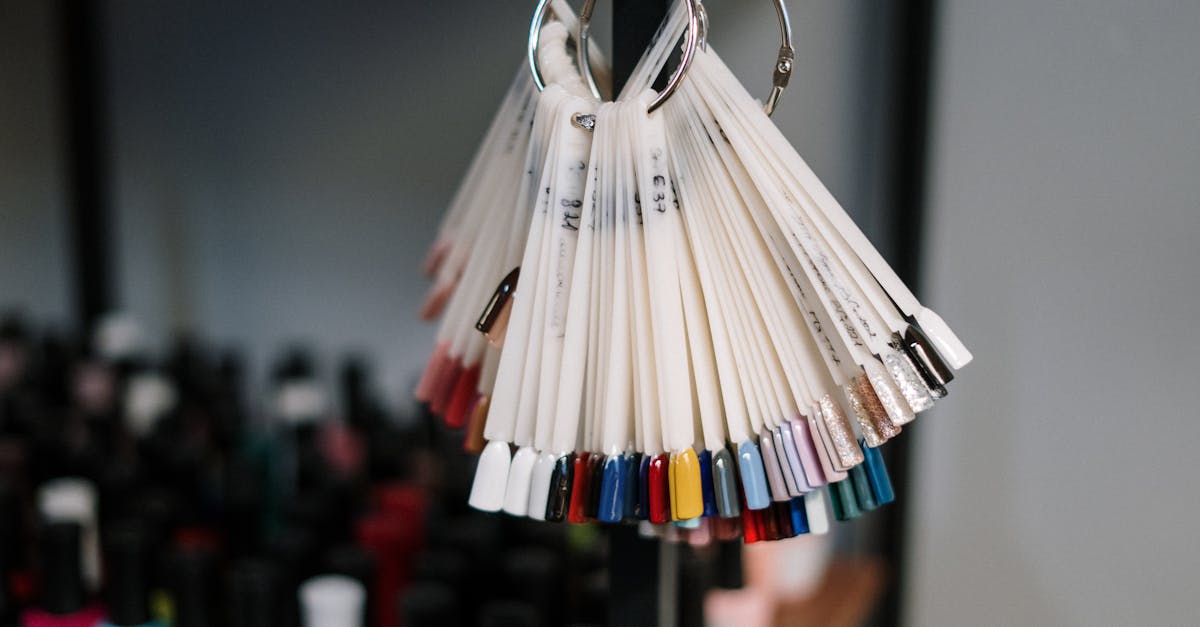
The Importance of Nail Health in Regular Manicure Appointments
Table Of Contents
Choosing the Right Products for Nail Care
Selecting high-quality nail care products can greatly influence the overall health and appearance of your nails. Look for formulations that prioritize natural ingredients while avoiding harsh chemicals. Products containing keratin, biotin, and vitamin E are beneficial as they support nail strength and hydration. Additionally, non-toxic nail polishes and removers can prevent damage and keep nails looking vibrant.
Consider the specific needs of your nails when choosing a base coat or topcoat. A protective base coat can create a barrier against potential staining from pigmented polishes, while a nourishing topcoat can enhance shine and longevity. Ingredients like marine collagen can enrich the nails, infusing them with moisture. This careful selection of products tailored to individual nail health will promote a more resilient and attractive manicure.
Ingredients to Look for and Avoid
Choosing the right ingredients in nail care products can significantly impact the health of your nails. Look for nourishing components such as keratin, biotin, and vitamin E. Keratin strengthens the nails, while biotin aids in growth and overall durability. Vitamin E acts as a powerful antioxidant, promoting hydration and reducing brittleness. Natural oils, like jojoba or almond oil, also offer moisturising benefits, enhancing vitality and shine.
Conversely, certain ingredients can compromise nail health. Products containing formaldehyde, toluene, and dibutyl phthalate should be avoided, as these chemicals can lead to nail damage and skin irritation. It’s also wise to steer clear of harsh solvents and overly abrasive formulas that strip away natural oils. By being selective with the products you choose, you can maintain stronger, healthier nails while enjoying the benefits of regular manicures.
Seasonal Nail Care Tips
As the weather changes, so does the condition of our nails. In warmer months, humidity can lead to increased moisture in the nails but also foster fungal infections. Regularly moisturising the cuticles and maintaining a balanced nail care regimen can help combat these issues. Using a breathable nail polish can also allow the nails to stay healthy during periods of increased perspiration.
In contrast, cooler climates often dry out the nails, leading to brittleness and peeling. It’s essential to incorporate a nourishing oil or a thick cream specifically designed for nails and cuticles into your routine. Regular application will help restore hydration. Wearing gloves while doing household chores or when exposed to harsh weather will further protect your nails from damage and dehydration.
Adjusting Your Routine Throughout the Year
As the seasons change, so do the needs of your nails. Winter often brings dryness and brittleness, making it essential to increase hydration and moisture in your nail care routine. Opt for thicker moisturising creams and oils to keep cuticles healthy. In contrast, the warmer months might require lighter formulations that absorb quickly, preventing greasiness. Regular application of sunscreen to prevent sun damage is also vital during the summer.
Changes in temperature and humidity can also impact the flexibility and strength of your nails. During spring, when allergens are prevalent, consider incorporating anti-inflammatory ingredients into your routine to soothe any irritations. Autumn often signals a return to harsher conditions. This is the time to concentrate on protective measures, such as wearing gloves when doing household chores. Tailoring your nail care routine according to seasonal demands ensures your nails remain healthy and vibrant throughout the year.
The Connection Between Diet and Nail Health
A balanced diet plays a crucial role in the health of nails, influencing their strength and appearance. Nutrients such as biotin, zinc, and protein are vital. Biotin, a B-vitamin, is known to improve nail thickness and reduce brittleness. Zinc contributes to the production of new cells, while protein forms the foundation of nails. Consuming a variety of fruits, vegetables, nuts, and lean meats can help ensure adequate intake of these essential nutrients.
In addition to these nutrients, hydration is equally important for maintaining nail health. Dehydrated nails can become brittle and prone to breakage. Drinking enough water daily supports overall bodily functions and helps keep nails supple and strong. It's also wise to limit excessive sugar and processed food, as these can negatively impact nail condition. A holistic approach that combines proper nutrition with good nail care practices will lead to healthier nails.
Nutrients That Promote Strong Nails
A well-rounded diet contributes significantly to the health of your nails. Key nutrients play essential roles in promoting strong and resilient nails. Biotin, a B-vitamin, enhances keratin infrastructure, leading to improved nail thickness and reduced brittleness. Essential fatty acids, found in fish and nuts, help maintain moisture balance, preventing nails from becoming dry and susceptible to breakage.
Proteins also form a crucial part of nail health. Keratin, the primary structural component of nails, is a type of protein, making it vital for their strength and durability. Incorporating lean meats, legumes, and dairy products can provide the necessary building blocks for nail growth. Additionally, minerals such as zinc and iron support healthy nail development, helping to prevent issues like splitting and ridges.
FAQS
Why is nail health important during manicure appointments?
Nail health is crucial during manicure appointments because it ensures that your nails remain strong, resilient, and free from infections. Healthy nails also enhance the overall appearance of your hands, contributing to your personal grooming and confidence.
What ingredients should I look for in nail care products?
Look for products that contain nourishing ingredients such as keratin, biotin, vitamin E, and natural oils like jojoba or almond oil. These ingredients help strengthen and hydrate your nails, promoting overall nail health.
Are there any ingredients I should avoid in nail products?
Yes, it is advisable to avoid products containing harsh chemicals such as formaldehyde, toluene, and dibutyl phthalate (DBP). These substances can weaken your nails and cause irritation or allergies, compromising your nail health.
How can I adjust my nail care routine for different seasons?
You can adjust your nail care routine by using thicker creams and oils in winter to combat dryness and applying lighter formulations in summer. Additionally, consider wearing gloves during colder months and ensuring proper hydration year-round.
What dietary changes can support better nail health?
Incorporating foods rich in biotin, protein, zinc, and omega-3 fatty acids can significantly improve nail health. Include eggs, nuts, fish, lean meats, and leafy greens in your diet to provide the essential nutrients that promote strong and healthy nails.
Related Links
Seasonal Manicure Trends to Try in Crows Nest Nail SalonsHow to Choose the Right Manicure for Your Lifestyle
How to Maintain Your Manicure Between Salon Visits
Customised Manicure Packages for Special Occasions in Crows Nest
The Impact of Nail Care Treatments on Your Manicure Experience
A Guide to the Best Express Manicure Options in Crows Nest
Understanding the Differences Between Classic and Luxury Manicures