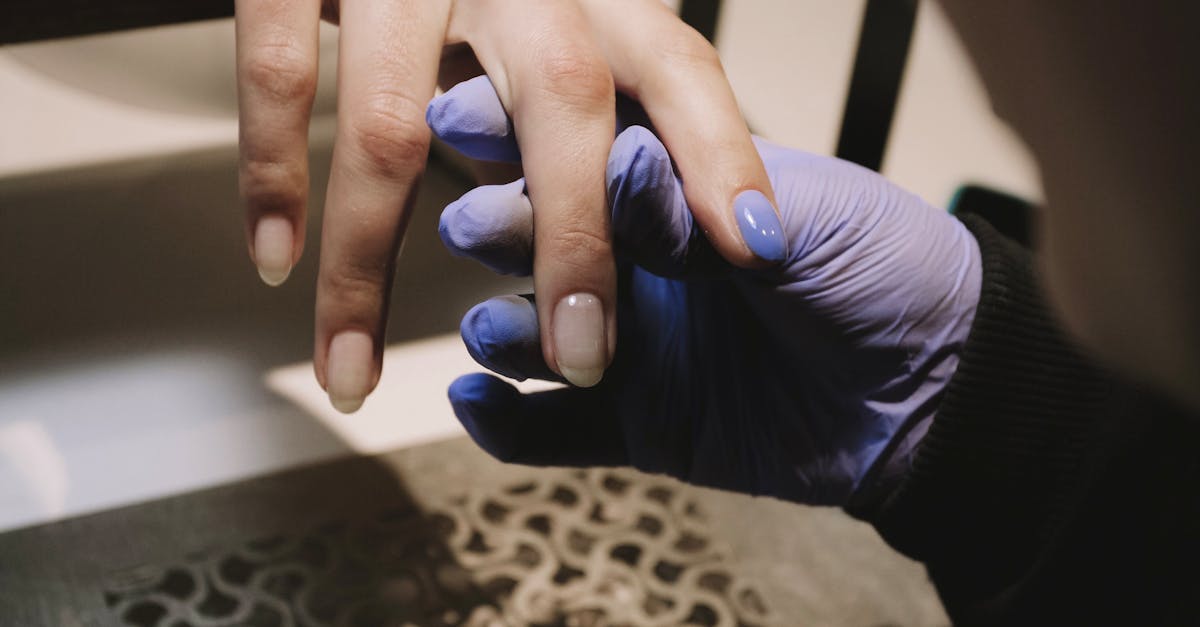
Exploring Colours: Nail Art Paints and Pigments
Table Of Contents
Tools Needed for Nail Art Creation
A variety of tools can significantly enhance the nail art experience, allowing for creativity and precision. Essential items include high-quality nail polish in multiple colours, dotting tools for intricate designs, and fine-tipped brushes for detailed artwork. Nail tape serves as a guide for creating clean lines and patterns. A palette or mixing plate is helpful for blending colours and experimenting with custom shades.
Additionally, having a reliable set of nail clippers, files, and buffers is important for preparing the nails before applying any polish. A good-quality base coat is essential for protecting natural nails, while a top coat adds shine and durability. The right tools not only facilitate creative expression but also ensure that the nail art lasts longer and looks polished.
Essential Brushes and Accessories
A well-equipped nail art toolkit includes a variety of brushes that cater to different styles and techniques. Flat brushes are perfect for base coats and creating bold colour blocks. Detail brushes, on the other hand, offer precision for intricate designs and patterns. A dotting tool is indispensable for adding specific shapes or accents, while a liner brush helps achieve fine lines and detailed work.
In addition to brushes, having the right accessories can enhance the overall nail art experience. Sponges are useful for ombre effects and blending colours seamlessly. Nail striping tape is excellent for guiding lines and maintaining clean edges. A palette is helpful for mixing shades and testing colour combinations before application. These tools and accessories play a vital role in achieving professional-looking results.
Mixing and Customising Nail Colours
Creating custom nail colours offers an exciting opportunity to express individual style. By blending different pigments and paints, you can achieve shades that perfectly match your outfits or personal preferences. Experimenting with ratios allows for endless possibilities. Start with a base colour and gradually introduce other pigments, keeping track of the amounts used to replicate the mixes later if you find a combination you love.
When mixing, consider the properties of each pigment. Certain colours may be more opaque, while others provide a sheer finish. Testing your creations on a nail wheel before applying them to your nails allows you to see how they look once dry. Adjustments can be made to fine-tune the colour, achieving that perfect hue tailored to your taste. This process not only enhances creativity but also fosters a deeper understanding of colour theory and its application in nail artistry.
Techniques for Creating Unique Shades
Experimenting with colour mixing opens up an endless realm of possibilities for nail artistry. One popular technique involves layering different shades. By applying a lighter colour as a base and then gently tapping on darker hues with a sponge, a beautiful gradient effect is achieved. This technique can bring depth to your designs, ensuring a unique appearance with every application.
Another method involves the use of colour theory principles. Combining complementary colours can create striking contrasts, while analogous colours offer a more harmonious look. Adding white or black to a base colour can alter its brightness and tone, producing shades that are uniquely your own. Mixing glitter or metallic pigments with traditional nail polishes can also elevate your designs, creating a multidimensional effect that catches the eye.
The Importance of Base and Top Coats
Applying a base coat is essential for any nail art enthusiast. It acts as a protective barrier between the natural nail and the pigments in nail polish, preventing staining and discolouration. This initial layer also helps to create a smoother surface for colour application, ensuring that the polish adheres better and lasts longer. Choosing a quality base coat tailored to specific needs, such as ridge-filling or strengthening, can enhance the overall look and longevity of your manicure.
Top coats serve a crucial role in finishing off a nail design. They seal the nail polish, providing a protective layer that guards against chips and scratches. A good top coat can enhance the shine, making colours appear more vibrant and fresh for an extended period. Additionally, certain top coats offer special effects, such as matte finishes or glitter, that can transform the look of your nail art. Regular application of both base and top coats elevates the quality and durability of your nail designs.
Enhancing Longevity and Shine
Maintaining the vibrancy of nail art requires careful selection of base and top coats. The base coat serves as a protective barrier between natural nails and the pigments used in nail designs. It not only prevents discolouration but also promotes better adhesion of coloured polishes. A quality base coat can enhance the overall appearance of nail art, creating a smooth surface that allows for more seamless application.
Top coats play a vital role in achieving a glossy finish and prolonging the life of nail art. These glossy layers seal in the colour, protecting it from chips and scratches while adding a beautiful shine. Many top coats also offer quick-drying options, providing an added convenience for busy individuals. Regularly applying a top coat can maintain the luster and help the design withstand daily wear and tear, keeping nails looking fresh for longer periods.
FAQS
What tools do I need for creating nail art?
To create nail art, you will need essential tools such as nail polish, a variety of brushes, dotting tools, sponges, and striping tape, among others. These tools will help you achieve different designs and techniques.
How can I mix and customise my own nail colours?
You can mix and customise nail colours by combining different nail polishes or adding pigments to a clear base coat. Experimenting with ratios can help you achieve the desired shade, so don't hesitate to try different combinations.
What techniques can I use to create unique shades of nail colour?
Techniques for creating unique shades include layering different polishes, using gradients, or applying nail tape to create patterns. You can also experiment with textures by incorporating glitter or matte finishes.
Why are base and top coats important in nail art?
Base coats protect your natural nails and help the polish adhere better, while top coats enhance shine and longevity, preventing chipping and extending the wear time of your nail art.
How can I enhance the longevity and shine of my nail art?
To enhance longevity and shine, always apply a quality base coat and finish with a top coat. Additionally, avoid using your nails as tools, and be mindful of exposure to water and harsh chemicals. Regularly reapply the top coat to maintain shine.
Related Links
Eco-Friendly Nail Art Products for the Conscious ArtistTop 10 Nail Art Tools Every Professional Should Own
Incorporating Nail Foils into Your Art Collection
Innovative Nail Art Supplies for 3D Effects
The Ultimate Guide to Nail Art Brushes and Their Uses
How to Choose the Right Nail Art Rhinestones
Must-Have Nail Stamping Kits for Stunning Designs